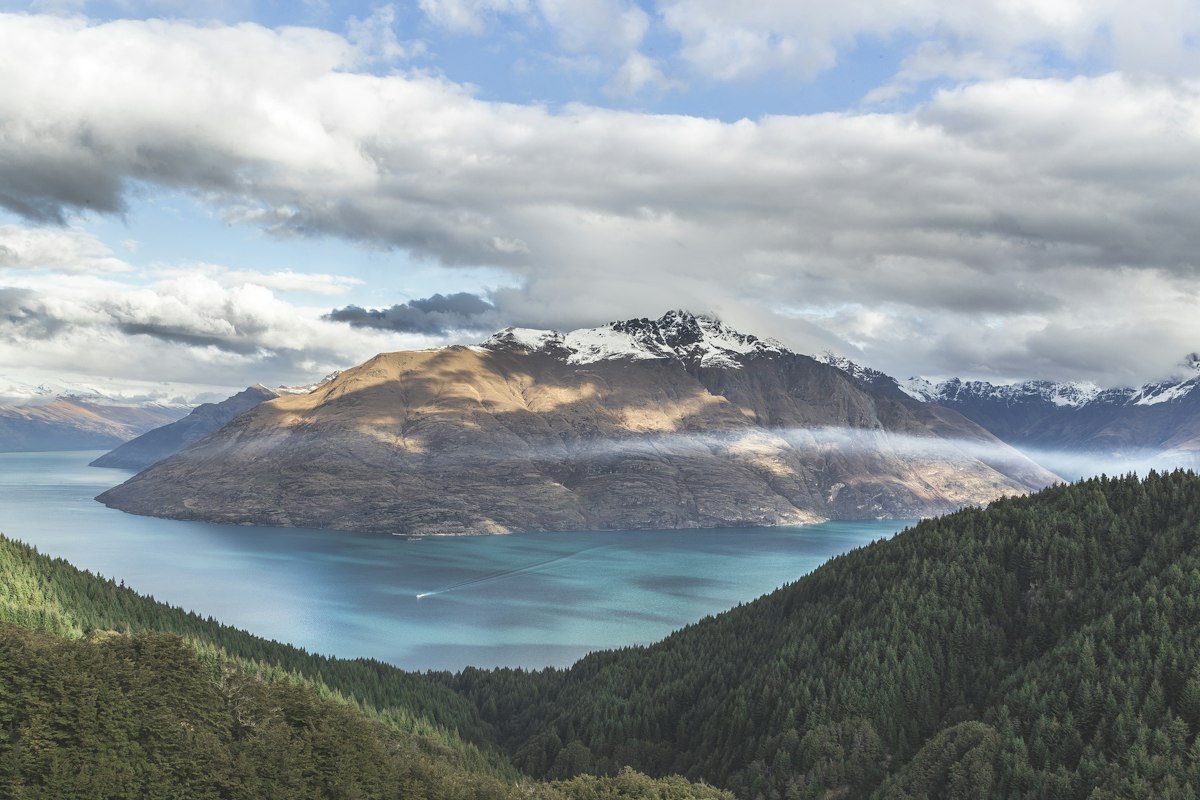
Aoraki Mt Cook
📍 New Zealand
☀️ Best: November–April (lupins) or any season for stargazing 💰 $150–350
<h2>Aoraki / Mount Cook: New Zealand's Alpine Heart</h2>
<p>Aoraki/Mount Cook National Park contains the highest peak in Australasia (3,724 metres), the longest glacier in the Southern Hemisphere outside the polar regions (Tasman Glacier, 27km), and some of the darkest night skies accessible by sealed road anywhere in the world — the Aoraki Mackenzie International Dark Sky Reserve was declared in 2012 and covers 4,367 km² of near-zero light pollution. For Australians seeking genuine alpine wilderness without a long-haul flight, the Mackenzie Basin and the national park constitute an experience with few equivalents.</p>
<h2>The Tasman Glacier</h2>
<p>The Tasman Glacier is the defining landscape feature of the national park. Glacier Explorers boat tours operate on the terminal lake (formed as the glacier retreats) among calving icebergs — the only activity of its kind in the Southern Hemisphere. The Tasman Glacier View track (1.5 hours return from the village) provides the essential overview. Helicopter scenic flights from Mount Cook Airport provide the most comprehensive perspective of the ice — the option to land on the glacier is among the most dramatic experiences available in New Zealand.</p>
<h2>Stargazing</h2>
<p>The Mount Cook Village area is one of the finest stargazing locations on earth accessible by car. The Milky Way core is visible to the naked eye from the village in summer (October–April). The Earth and Sky observatory operates guided stargazing tours with professional telescopes. On a clear night, the combination of the alpine terrain, the silence, and the density of the southern sky is genuinely transcendent. Check cloud cover forecasts carefully — a clear window is worth waiting for.</p>
<h2>Walking and Climbing</h2>
<p>The Hooker Valley Track (10km return, 3 hours, flat) passes three swing bridges over glacial rivers and ends at Hooker Lake with Aoraki directly ahead — one of the finest alpine walks in New Zealand accessible to all fitness levels. The Mueller Hut Route (10km return, 1,000m elevation gain, 5–7 hours) is demanding but delivers a mountain hut overnight with views of the main divide. Technical climbing on Aoraki requires guiding with Alpine Guides Aoraki.</p>
<h2>Getting There and Practical Information</h2>
<p>Queenstown or Christchurch are the access points (3.5 hours from Queenstown, 3.5 hours from Christchurch by rental car). No public transport to the village. Fly Sydney to Christchurch (3.5 hours) or Queenstown (3 hours) with Air New Zealand or Jetstar. NZeTA (NZD $23) required before departure. Best time: October–April (summer, accessible tracks). June–September offers ski touring and best glacier views but some tracks close. Budget: AUD $130–280/day. <a href="/program/discover-cars">Discover Cars</a> for car hire. <a href="/program/covermore">Covermore</a> travel insurance for alpine activities.</p>
Aoraki/Mount Cook National Park contains the highest peak in Australasia (3,724 metres), the longest glacier in the Southern Hemisphere outside the polar regions (Tasman Glacier, 27km), and some of the darkest night skies accessible by sealed road anywhere in the world — the Aoraki Mackenzie International Dark Sky Reserve was declared in 2012 and covers 4,367 km² of near-zero light pollution. For Australians seeking genuine alpine wilderness without a long-haul flight, the Mackenzie Basin and the national park constitute an experience with few equivalents.
The Tasman Glacier is the defining landscape feature of the national park. Glacier Explorers boat tours operate on the terminal lake (formed as the glacier retreats) among calving icebergs — the only activity of its kind in the Southern Hemisphere. The Tasman Glacier View track (1.5 hours return from the village) provides the essential overview. Helicopter scenic flights from Mount Cook Airport provide the most comprehensive perspective of the ice — the option to land on the glacier is among the most dramatic experiences available in New Zealand.
The Mount Cook Village area is one of the finest stargazing locations on earth accessible by car. The Milky Way core is visible to the naked eye from the village in summer (October–April). The Earth and Sky observatory operates guided stargazing tours with professional telescopes. On a clear night, the combination of the alpine terrain, the silence, and the density of the southern sky is genuinely transcendent. Check cloud cover forecasts carefully — a clear window is worth waiting for.
The Hooker Valley Track (10km return, 3 hours, flat) passes three swing bridges over glacial rivers and ends at Hooker Lake with Aoraki directly ahead — one of the finest alpine walks in New Zealand accessible to all fitness levels. The Mueller Hut Route (10km return, 1,000m elevation gain, 5–7 hours) is demanding but delivers a mountain hut overnight with views of the main divide. Technical climbing on Aoraki requires guiding with Alpine Guides Aoraki.
Queenstown or Christchurch are the access points (3.5 hours from Queenstown, 3.5 hours from Christchurch by rental car). No public transport to the village. Fly Sydney to Christchurch (3.5 hours) or Queenstown (3 hours) with Air New Zealand or Jetstar. NZeTA (NZD $23) required before departure. Best time: October–April (summer, accessible tracks). June–September offers ski touring and best glacier views but some tracks close. Budget: AUD $130–280/day. Discover Cars for car hire. Covermore travel insurance for alpine activities.
November–March (Summer): The lupins bloom in November–December (extraordinary purple-and-pink landscape on the approach roads), temperatures 10–22°C, and the hiking season at its best. Mount Cook village itself is small (permanent population ~250) but busy in summer — book accommodation 2–3 months ahead. The famous Hooker Valley Track is accessible from October.
June–September (Winter): Cold (-5 to 8°C), snow-covered peaks, and spectacular mountain photography. The ski fields are limited compared to Queenstown but the winter alpine scenery is extraordinary. Fewer tourists and lower accommodation prices.
New Zealand's most popular alpine walk — a 3-hour return trail through the Hooker Valley past three swing bridges to a glacial lake at the foot of Aoraki/Mount Cook. The mountain appears and disappears through gaps in the surrounding peaks as you walk. Free, well-maintained, accessible year-round (crampons required in winter). Go at dawn for the best light and the lowest wind.
New Zealand's longest glacier calves icebergs into the Tasman Glacier Lake — a guided boat tour through the icebergs (AUD $60–80 per person, 1.5 hours) is one of the South Island's most extraordinary experiences. The glacier is retreating rapidly (its terminal face was above the lake in the 1990s) — a visible illustration of climate change.
Mount Cook village's Gold-tier International Dark Sky Reserve status means the night sky is extraordinary on clear nights — the Milky Way arches overhead from horizon to horizon. The Mt Cook Observatory offers guided stargazing (AUD $40–60 per person, book ahead). Even unguided, simply lying on the grass outside the village and looking up is a profound experience.
A steeper alternative to the Hooker Valley — 1,000 steps up to alpine tarns above Mt Cook village, with a full panorama of the Hooker and Tasman glacier valleys and the main divide peaks. 3–4 hours return. A genuinely hard climb rewarded with views the Hooker Valley floor cannot provide.
Mountain weather changes extremely rapidly in New Zealand's Southern Alps — conditions can deteriorate from clear to whiteout in under an hour. Always check the MetService mountain forecast before hiking and tell the DOC visitor centre your intended route and return time. For winter hiking, carry ice axes and crampons and know how to use them. Cell coverage is limited — carry a personal locator beacon (PLB) for any off-track exploration. The Tasman Glacier area has significant avalanche risk in winter and spring.
Drive in via Lake Pukaki (the most extraordinarily coloured lake in New Zealand — milky turquoise from glacial flour). Mount Cook village arrival. Afternoon: Kea Point Track (1.5 hours return, easy, good Aoraki views). Sunset from the Hermitage terrace. Stargazing after dark if clear.
Dawn: Hooker Valley Track (leave by 6:30am for best light and before wind builds). Return for late breakfast. Afternoon: Tasman Glacier boat tour (book ahead). Evening: Mt Cook Observatory stargazing.
Optional: Sealy Tarns Track morning (3–4 hours, hard, extraordinary views). Drive to Queenstown via Lindis Pass, or north to Christchurch via Tekapo.