Barcelona
📍 Spain
☀️ Best: May–June & September–October 💰 $140–340
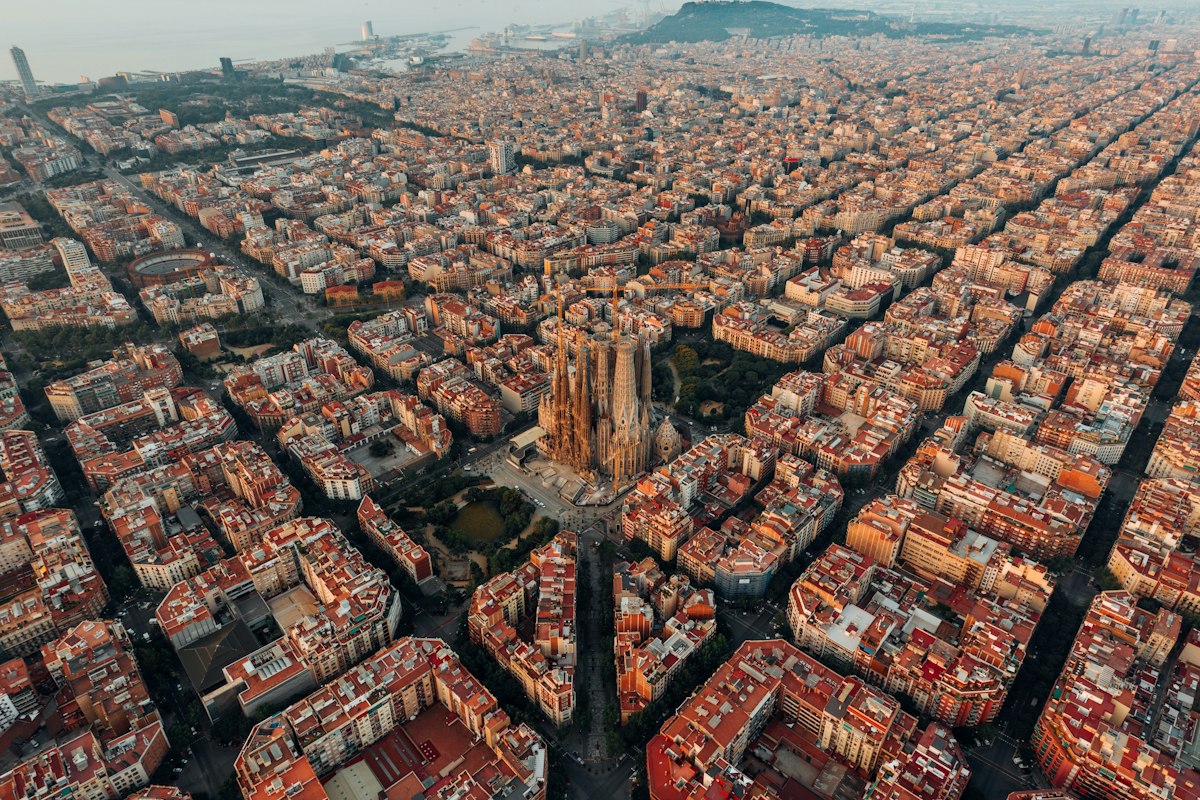
<h2>Barcelona — Architecture, Food, and the Mediterranean</h2><p>Barcelona is a city of extraordinary sensory intensity — Gaudí's impossible architecture rising from a rational grid, the smell of salt water and olive oil, the late-night noise of Las Ramblas and the Gothic Quarter, and a food scene that ranges from extraordinary pintxos bars to El Bulli-inspired molecular gastronomy. It is one of Europe's most visited cities for good reason, and the challenge in 2026 is managing the crowds at major attractions rather than finding them.</p><p><strong>Getting there:</strong> Flights from Australia to Barcelona's El Prat Airport (BCN) route via Dubai, Doha, or Singapore. Flight time 22–24 hours. Fares AUD $1,300–2,500 return. Alternatively: fly to Madrid or London then take a budget flight or train (AUD $30–120).</p>
Barcelona is a city of extraordinary sensory intensity — Gaudí's impossible architecture rising from a rational grid, the smell of salt water and olive oil, the late-night noise of Las Ramblas and the Gothic Quarter, and a food scene that ranges from extraordinary pintxos bars to El Bulli-inspired molecular gastronomy. It is one of Europe's most visited cities for good reason, and the challenge in 2026 is managing the crowds at major attractions rather than finding them.
Getting there: Flights from Australia to Barcelona's El Prat Airport (BCN) route via Dubai, Doha, or Singapore. Flight time 22–24 hours. Fares AUD $1,300–2,500 return. Alternatively: fly to Madrid or London then take a budget flight or train (AUD $30–120).
April–June is Barcelona at its best — warm (20–28°C), not yet at peak summer heat, and the beach season just beginning. The city is busy but not overwhelmed. September–October is equally good and often preferred for avoiding school holiday crowds.
July–August is peak season and genuinely overcrowded — temperatures reach 30–35°C, Sagrada Família tickets sell out weeks ahead, and the city's beaches are extremely busy. Those who visit in summer should book all tickets in advance and plan early morning activity.
November–February is cool (10–15°C) with low crowds and good deals. The city's indoor culture — restaurants, markets, museums — is as good as ever. Not ideal for beach time but excellent for culture and food.
Gaudí's masterpiece — a basilica under continuous construction since 1882 and still incomplete — is one of the most extraordinary pieces of architecture on earth. The interior, with its forest of branching columns and extraordinary stained glass, is genuinely unlike anything else. Book a timed entry ticket online at least 2–3 weeks ahead (AUD $35–50 depending on inclusions). Tower access costs extra but the views are worth it. Allow 2 hours minimum inside.
Gaudí's hilltop park with its mosaic terrace, gingerbread gatehouses, and panoramic city views. The monumental zone (main terrace and famous dragon staircase) requires a timed ticket (AUD $12–15, book online). The rest of the park is free. Go at the ticket opening time (9:30am) to see the terrace before crowds arrive.
La Boqueria on Las Ramblas is extraordinary (jamon, seafood, fruit, sweets) but tourist-heavy and somewhat overpriced. Supplement with El Born's Santa Caterina Market (less famous, more local) and the tapas bars of the El Born neighbourhood. Pintxos bars in the nearby Eixample (try Bar Calders or Quimet i Quimet in Poble Sec) are where Barcelonans actually eat.
The hill of Montjuïc (reached by cable car from the port, AUD $10 return) has the MNAC Catalan art museum (AUD $15), the Fundació Joan Miró (AUD $18), and the 1992 Olympic stadium with Barcelona panoramas. Barceloneta beach below is 1.1km of Mediterranean sand — free, accessible by Metro, and busy in summer. The W Hotel viewpoint at the end of the pier is worth the walk for the city-and-sea panorama.
Barcelona has one of Europe's highest pickpocketing rates — this is the primary safety concern:
Morning: Sagrada Família (first available time slot, book ahead). Afternoon: Casa Batlló or Casa Milà (La Pedrera) — both Gaudí works on the Passeig de Gràcia (book ahead, AUD $30–35 each). Evening: Eixample tapas bars — Carrer del Consell de Cent area.
Morning: Park Güell (9:30am first slot). Descend through Gràcia neighbourhood for lunch. Afternoon: Gothic Quarter — Barcelona Cathedral (free, extraordinary Gothic interior), Plaça del Rei. El Born neighbourhood for dinner (Bar del Pla, El Xampanyet).
Morning: MNAC and Fundació Miró. Afternoon: Barceloneta beach. Sunset: cable car back to Montjuïc for the city panorama. Evening: seafood at La Barceloneta or vermouth bars in Poble Sec.