Cusco
📍 Peru
☀️ Best: May–September 💰 $60–180
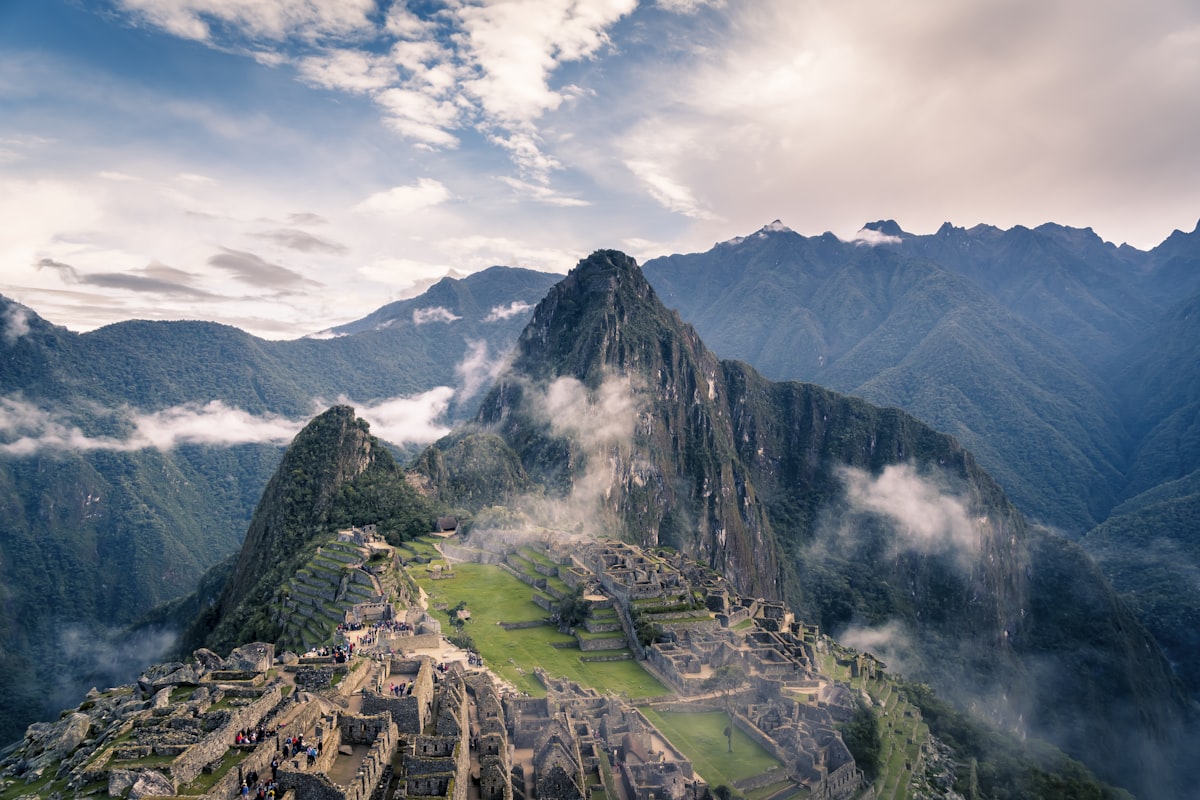
<h2>Cusco — Gateway to Machu Picchu</h2><p>Cusco was the capital of the Inca Empire — the largest pre-Columbian empire in the Americas — and the Inca stonework that lines its streets, fitted with such precision that a knife blade cannot pass between the stones, remains one of the world's great engineering achievements. The colonial Spanish city built on top of the Inca foundations creates an extraordinary layered history. And 80km north, up the Sacred Valley and accessible by train, switchback bus, or the Inca Trail on foot, lies Machu Picchu — arguably the most extraordinary human construction on earth, a 15th-century citadel on a cloud-covered ridge above the Urubamba River.</p>
Peru is South America's most popular destination for Australian travellers — Machu Picchu, the Sacre…
Peru is one of the most rewarding solo travel destinations in South America for Australians. Here's …
Cusco was the capital of the Inca Empire — the largest pre-Columbian empire in the Americas — and the Inca stonework that lines its streets, fitted with such precision that a knife blade cannot pass between the stones, remains one of the world's great engineering achievements. The colonial Spanish city built on top of the Inca foundations creates an extraordinary layered history. And 80km north, up the Sacred Valley and accessible by train, switchback bus, or the Inca Trail on foot, lies Machu Picchu — arguably the most extraordinary human construction on earth, a 15th-century citadel on a cloud-covered ridge above the Urubamba River.
May–September (Dry Season) is the best time for Machu Picchu and the Inca Trail — clear skies, manageable temperatures in Cusco (8–20°C), and excellent visibility at altitude. June and July are peak season: the Inca Trail sells out and accommodation in Aguas Calientes fills months ahead. Book the Inca Trail permit at least 6 months ahead — only 500 people per day are allowed.
October–April is the wet season — Machu Picchu is often shrouded in mist and rain, trails become slippery, and the Inca Trail is closed in February for maintenance. That said, Machu Picchu in the mist is ethereally beautiful, and prices and crowds are significantly lower.
Take the 4:30am bus from Aguas Calientes (AUD $20 return) to reach the site for opening (6am). The first hour — before the tour groups arrive from later buses — allows you to experience the extraordinary scale and silence of the citadel. Entry: AUD $55–75 depending on circuit and Huayna Picchu/Montana Machu Picchu hike inclusion. Book online months ahead — Machu Picchu operates timed entry with strict daily limits.
The 43km 4-day trail through cloud forest and alpine tundra to the Sun Gate above Machu Picchu is one of the world's great treks. Only 500 trekkers per day permitted (including guides and porters). Cost: AUD $700–1,200 per person including permit, guide, cook, and camping equipment. Book through a licensed operator at least 6 months before — permits sell out. The alternative: Salkantay Trek (longer, higher, no permit required, AUD $400–700).
Cusco's Plaza de Armas is one of the finest colonial squares in South America — the Cathedral (built on the palace of Inca Viracocha) and La Compañía de Jesús church face each other across the cobblestones. The Sacred Valley: Pisac market (Sunday, extraordinary) and Ollantaytambo fortress (the only Inca administrative town still inhabited, extraordinary stonework). Day trip from Cusco: AUD $50–80 including transport.
Altitude sickness is the primary health risk — Cusco sits at 3,400 metres and most visitors experience some symptoms (headache, nausea, shortness of breath) on arrival. Standard advice: spend your first day resting, drink coca leaf tea (local and effective), avoid alcohol for the first 48 hours, and ascend gradually. Diamox (acetazolamide) is available by prescription in Australia and helps with acclimatisation. Machu Picchu at 2,430 metres is lower — most people find it easier than Cusco. Crime in Cusco is manageable with vigilance: keep cameras on straps, avoid displaying expensive equipment in crowded markets, and use registered taxis.
Arrive in Cusco and rest — absolutely essential. Day 2: gentle walking — Plaza de Armas, Cusco Cathedral, Qorikancha (Inca Temple of the Sun, AUD $5). No strenuous activity for 48 hours.
Day trip: Pisac market (morning), Ollantaytambo fortress (afternoon). Overnight in Ollantaytambo.
Train to Aguas Calientes (2 hours from Ollantaytambo). Overnight in Aguas Calientes. Day 5: early bus to Machu Picchu (6am opening). Full day at the citadel. Return train to Cusco in the evening.
Flight Cusco to Lima, connecting to Australia.