Prague
📍 Czech Republic
☀️ Best: April–June & September–October 💰 $90–220
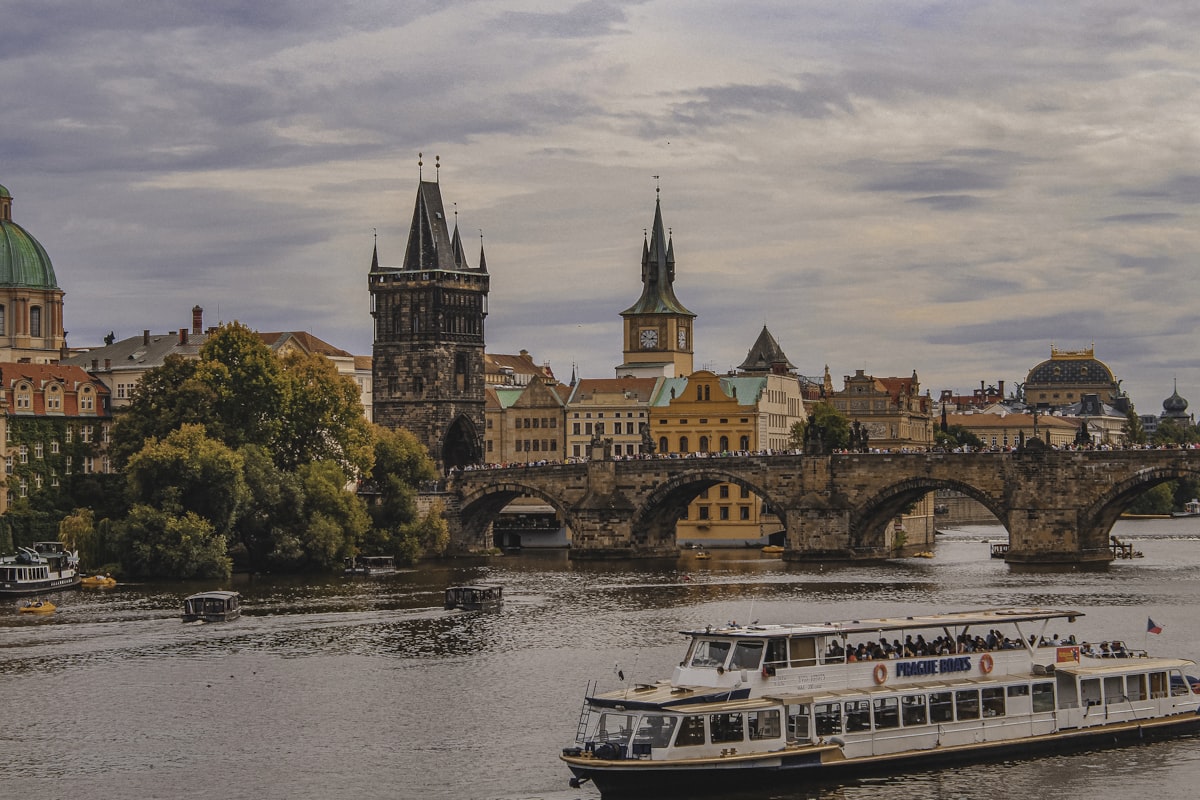
<h2>Prague — Europe's Most Beautiful City</h2><p>Prague escaped the Second World War bombing that destroyed most of Central Europe's cities, leaving intact a medieval city centre of extraordinary completeness — Gothic, Baroque, Art Nouveau and Cubist architecture in a compact area around a bend of the Vltava River. The Charles Bridge, the Old Town Square's Astronomical Clock, the Prague Castle complex, and the Jewish Quarter's six preserved synagogues make the city one of Europe's most architecturally significant. It is also, in 2026, significantly less crowded than a decade ago and better value than almost any Western European capital.</p>
Prague escaped the Second World War bombing that destroyed most of Central Europe's cities, leaving intact a medieval city centre of extraordinary completeness — Gothic, Baroque, Art Nouveau and Cubist architecture in a compact area around a bend of the Vltava River. The Charles Bridge, the Old Town Square's Astronomical Clock, the Prague Castle complex, and the Jewish Quarter's six preserved synagogues make the city one of Europe's most architecturally significant. It is also, in 2026, significantly less crowded than a decade ago and better value than almost any Western European capital.
April–June and September–October: Mild (14–22°C), manageable crowds, and Prague at its most photogenic. May and September are the sweet spots. July–August: Peak tourists, hot (25–32°C), and the Old Town Square fills with crowds. December: Christmas markets are excellent — Prague's are among Europe's finest — cold (0–5°C) but atmospheric.
The 650-year-old Gothic bridge — lined with 30 Baroque statues — crossing the Vltava. At 6am the bridge has almost no tourists; by 10am it is shoulder-to-shoulder. The dawn light on the Baroque towers and castle above is extraordinary. Free to walk 24 hours.
The largest ancient castle complex in the world — a 70,000 m² complex of palaces, churches, and gardens stretching along a ridge above the river. St Vitus Cathedral is free to enter (enter from the Third Courtyard). Full circuit ticket (AUD $14–18) covers all buildings. Go on a weekday morning to avoid weekend crowds. The castle gardens are beautiful and free.
The Astronomical Clock (15th century, shows the position of astronomical bodies and runs a mechanical show at each hour) is on the Old Town Hall — the tower climb (AUD $12) gives the best view of the Old Town Square below. The adjacent Josefov (Jewish Quarter) contains six synagogues and the oldest operating Jewish cemetery in Europe — the Pinkas Synagogue walls are inscribed with 80,000 names of Czech Jewish Holocaust victims. Entry AUD $20 for the synagogue circuit.
Prague is exceptional value by European standards:
Prague is generally safe. Primary concerns: the tourist areas around the Charles Bridge and Old Town Square attract pickpockets, particularly during the crowded hours 10am–6pm. Overpriced tourist restaurants on Old Town Square charge Paris prices for average food — walk one street away for the same quality at half the price. Currency exchange on the street or in tourist exchange kiosks invariably offer poor rates — use an ATM or Wise card.
Dawn: Charles Bridge. Morning: Old Town Square, Astronomical Clock (tower climb for views). Josefov (Jewish Quarter). Lunch: Lokál or any proper Czech pub (not on the square). Afternoon: walk the Royal Mile from Old Town Square to the castle via the bridge. Evening: Wenceslas Square area.
Morning: Prague Castle and St Vitus Cathedral. Afternoon: Malá Strana (Lesser Town) — Wallenstein Palace Garden (free, extraordinary Baroque garden), Kampa Island. Sunset: view from Letná Park beer garden above the river. Evening: Vinohrady for dinner (less touristy, more local).