Seoul
📍 South Korea
☀️ Best: April–June & September–November 💰 $100–220
<h2>Seoul — K-Culture and Ancient Palaces</h2><p>Seoul is Asia's most underrated capital. Where Tokyo gets all the Japan attention and Bangkok gets the Thailand headlines, Seoul has quietly become one of Asia's most dynamic food, fashion, and cultural capitals — driven by the global wave of K-pop, K-drama and Korean cuisine that has made the city genuinely fascinating to the world. Ancient palaces from the Joseon Dynasty sit beside glass towers. Traditional hanok villages (Bukchon, Jeonju) preserve 600-year-old architecture. And the food scene — from Michelin-starred tasting menus to extraordinary street food in Gwangjang Market — is among Asia's finest.</p>
South Korea is one of Asia's most underrated destinations for Australian travellers — extraordinary …
South Korea is one of the safest, most interesting and most undervisited countries in Asia for Austr…
South Korea's working holiday visa gives Australians 12 months in one of Asia's most dynamic countri…
South Korea has become one of the most discussed travel destinations of the past few years — driven …
Seoul is Asia's most underrated capital. Where Tokyo gets all the Japan attention and Bangkok gets the Thailand headlines, Seoul has quietly become one of Asia's most dynamic food, fashion, and cultural capitals — driven by the global wave of K-pop, K-drama and Korean cuisine that has made the city genuinely fascinating to the world. Ancient palaces from the Joseon Dynasty sit beside glass towers. Traditional hanok villages (Bukchon, Jeonju) preserve 600-year-old architecture. And the food scene — from Michelin-starred tasting menus to extraordinary street food in Gwangjang Market — is among Asia's finest.
April–May (Spring): Cherry blossom season (typically late March–early April) transforms Seoul — Yeouido Park, the Gyeongbok Palace grounds, and the paths along the Han River are extraordinary. Temperatures 12–22°C.
September–November (Autumn): The parks and palace grounds turn red and gold. Ideal temperatures (14–22°C), fewer tourists than spring.
December–February (Winter): Cold (-5–3°C), occasional snow, but significantly cheaper accommodation and the ski resorts at Vivaldi Park and Yongpyong (where the 2018 Winter Olympics was held) are in season. Seoul is beautiful under light snow.
June–August: Hot (28–35°C) and humid. The monsoon season brings heavy rain in July. Not Seoul's best but its indoor culture — excellent.
The largest and most dramatic of Seoul's Joseon Dynasty palaces — a 14th-century royal complex with extraordinary throne halls, pavilions, and the National Folk Museum within its grounds. Changing of the Guard ceremony: 10am and 2pm daily (not Monday). Entry AUD $4. Rent a hanbok (traditional Korean dress) for the morning — hanbok wearers get free entry and make excellent photographs. Go before 10am to see the palace without large tour groups.
900+ traditional Korean houses (hanok) filling the hillside between Gyeongbok and Changdeok palaces. The most atmospheric streets (Gahoe-dong Alley, #11) offer the classic view of tiled roofs against the Seoul skyline. Go before 9am — this is a residential area and residents have requested quiet from the tourist crowds that gather from mid-morning onwards.
Seoul's oldest market (1905) and the best introduction to Korean street food. Mayak gimbap (miniature seaweed rice rolls, "narcotic" in flavour, AUD $3–4 per bag), bindaetteok (mung bean pancakes fried on a griddle, AUD $2–3), and yukhoe (steak tartare with pear and egg yolk, AUD $8–12). The market is electric, crowded, and extraordinary. Go for lunch on a weekday.
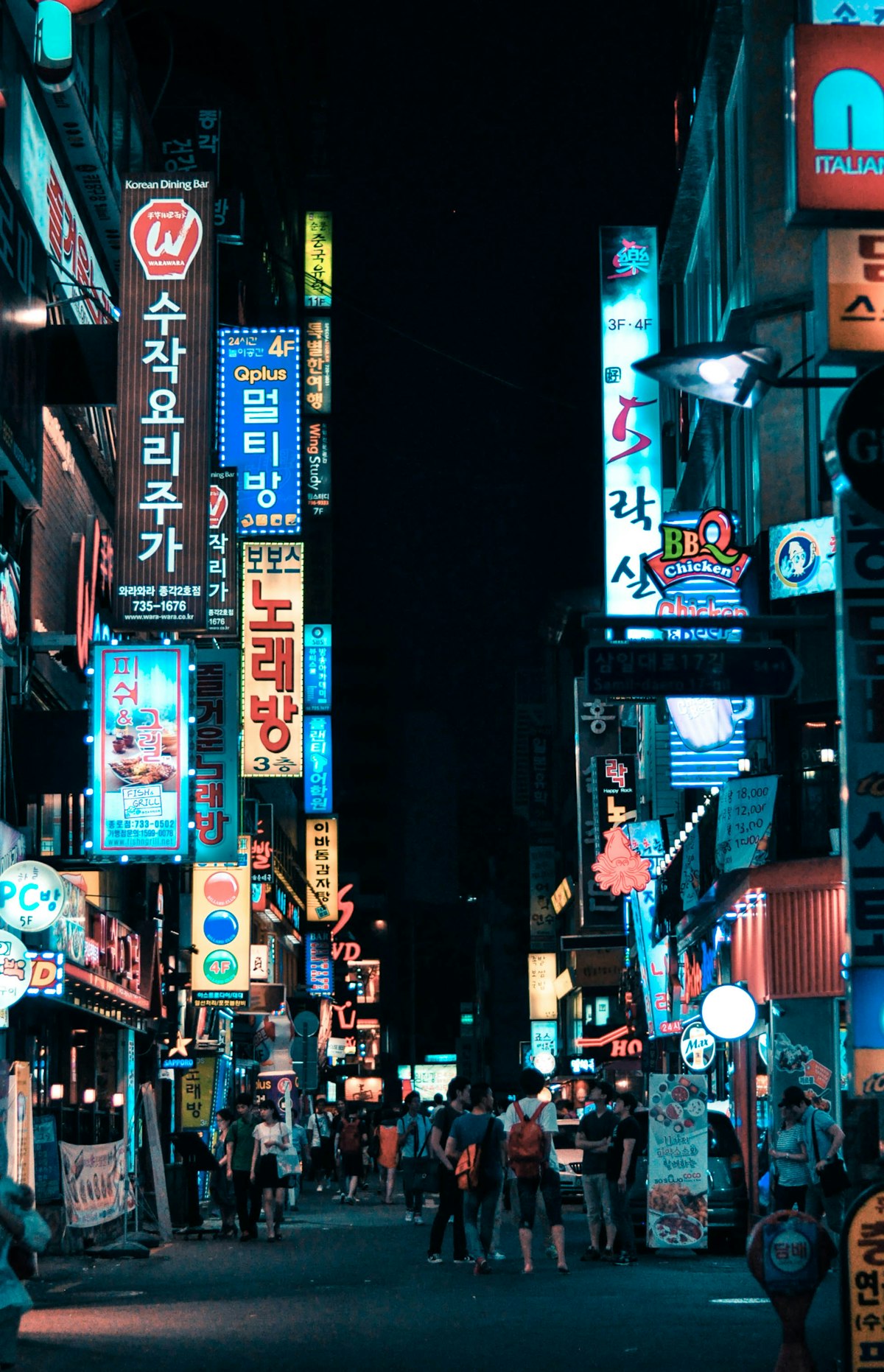
Myeongdong is Seoul's most intense shopping district — K-beauty products at astonishing prices (sheet masks AUD $1–3 each, full skincare sets AUD $20–50 from Korean brands), street food (hotteok sweet pancakes, tteokbokki spicy rice cakes), and the energy of Seoul's commercial heart. The Han River parks are where Seoulites actually relax — bring a picnic (Hangang convenience stores stock excellent Korean snacks), rent a bicycle, and watch the city from the riverside.
Seoul is one of Asia's safest cities with very low crime rates. Women travelling solo consistently rate it among the world's safest destinations. The main practical note: Korean text is everywhere and English signage is inconsistent outside tourist areas and major stations — download Naver Maps (better than Google Maps for Korea) before arriving.
Dawn: Gyeongbok Palace (rent hanbok for free entry). Bukchon Hanok Village before 9am. Lunch: Gwangjang Market. Afternoon: Insadong for traditional crafts and tea houses. Evening: Dongdaemun Design Plaza (extraordinary Zaha Hadid architecture, lit at night).
Morning: Namdaemun Market (Seoul's oldest market, best before 10am). Myeongdong for K-beauty shopping. Afternoon: Hongdae neighbourhood (university area — street performers, indie music, vintage fashion). Evening: Korean BBQ dinner with soju.
Join a DMZ tour (departs from central Seoul hotels, 8–9am). Visit Panmunjeom JSA (Joint Security Area, requires advance registration), the 3rd Infiltration Tunnel, Dorasan Station (the last station before North Korea). Return to Seoul by 5pm. Remaining evening: Namsan Tower cable car for city panorama.