Tokyo
📍 Japan
☀️ Best: March–May & October–November 💰 $150–350
<h2>Tokyo: The World's Most Extraordinary City</h2>
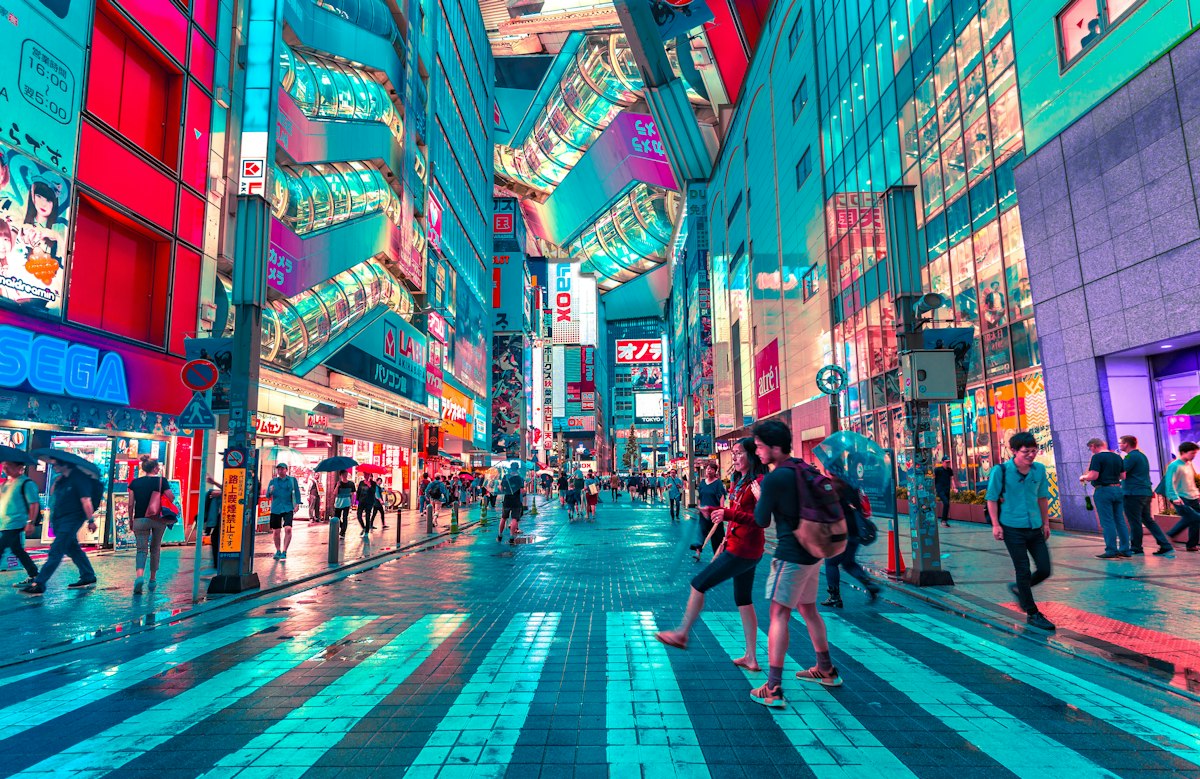
<p>Tokyo defies every expectation. It is simultaneously the world's largest city and one of its most efficient, cleanest, and safest. A megalopolis of 14 million people where trains run within 30 seconds of schedule, where the streets are spotless without a rubbish bin in sight, where a bowl of ramen in a tiny basement restaurant costs AUD $12 and rivals anything you've eaten anywhere. For Australians, Tokyo represents extraordinary value in 2026 — the weak yen means the city costs dramatically less than it did five years ago.</p>
<h2>Getting Around</h2>
<p>Tokyo's train network is the most comprehensive in the world and entirely navigable with a Suica or Pasmo IC card (available at airport and station vending machines, load AUD $20–30 to start). Use Google Maps for directions — it handles the Tokyo rail network perfectly including platform numbers. The Yamanote Line loops around central Tokyo connecting all major areas. Taxis are expensive (AUD $3–4 per kilometre) — use them only when trains stop (after midnight) or for heavy luggage.</p>
From ancient temples to robot restaurants, here are the best things to do in Tokyo for Australian tr…
Japan has a reputation as an expensive destination — it's not. With the weak yen and strategic plann…
Japan has become one of Australia's favourite destinations. But how much does it actually cost? We b…
Tokyo is one of the world's greatest cities. Here's the complete guide for Australian first-timers —…
The JR Pass is the main decision for most Japan trips. Here's exactly how to calculate if it's worth…
Japan's reputation as expensive is outdated. With the right approach, you can travel Japan for $100-…
Tokyo defies every expectation. It is simultaneously the world's largest city and one of its most efficient, cleanest, and safest. A megalopolis of 14 million people where trains run within 30 seconds of schedule, where the streets are spotless without a rubbish bin in sight, where a bowl of ramen in a tiny basement restaurant costs AUD $12 and rivals anything you've eaten anywhere. For Australians, Tokyo represents extraordinary value in 2026 — the weak yen means the city costs dramatically less than it did five years ago.
Tokyo's train network is the most comprehensive in the world and entirely navigable with a Suica or Pasmo IC card (available at airport and station vending machines, load AUD $20–30 to start). Use Google Maps for directions — it handles the Tokyo rail network perfectly including platform numbers. The Yamanote Line loops around central Tokyo connecting all major areas. Taxis are expensive (AUD $3–4 per kilometre) — use them only when trains stop (after midnight) or for heavy luggage.
March–April (Cherry Blossom Season) is Tokyo's most celebrated time — the sakura bloom typically peaks late March to early April, transforming parks and riverbanks into pink-and-white confetti. This is also Tokyo's busiest and most expensive period. Book accommodation 3–4 months ahead. The bloom lasts only 1–2 weeks and is weather-dependent — check forecasts in real time.
October–November (Autumn) rivals spring for beauty — the maples and ginkgos turn extraordinary shades of red, orange and gold. Temperatures are comfortable (15–22°C), crowds are lighter than cherry blossom season, and accommodation is more available. The best-kept secret for Tokyo first-timers.
June–August is hot and humid — temperatures reach 35°C with very high humidity. Tokyo's indoor attractions (museums, department stores, restaurants) are excellent, making summer workable. July sees school holiday crowds. August is oppressively hot but has excellent summer festivals.
December–February is cold (2–10°C), dry and sunny. Very few tourists, excellent hotel deals, and the city is extraordinarily beautiful under occasional light snow. Some outdoor attractions are less appealing but the city's indoor culture thrives. New Year celebrations (Oshōgatsu) in early January are remarkable.
The famous tuna auction moved to Toyosu in 2018, but the Tsukiji Outer Market remains one of Tokyo's great food experiences. Arrive by 7am to watch vendors set up, eat extraordinarily fresh sushi for breakfast (AUD $15–30 for a full set), and browse seafood, pickles, and kitchen equipment. One of the most atmospheric food markets in Asia.
Tokyo's oldest and most visited temple — a Buddhist shrine in the Asakusa district surrounded by traditional craft shops and street food stalls. Go before 8am to see it without the tour groups. The Nakamise shopping street leading to the temple sells traditional Japanese crafts, snacks, and souvenirs. Free entry. Accessible directly on the Ginza Metro Line.
Japan's most extraordinary digital art installation — rooms full of interactive light projections that respond to movement and blur the boundaries between art and viewer. teamLab Planets in Toyosu is the more intimate experience; teamLab Borderless (reopened in Azabudai Hills 2024) is the full-scale immersive world. Book tickets well in advance online — AUD $30–40 per person. Unlike anything available in Australia.
Two of Tokyo's most atmospheric drinking districts. Golden Gai is a cluster of 200+ tiny bars — most fit only 6–8 people — spread across six narrow alleys. Each bar has its own personality; many welcome foreigners, some are regulars-only (look for welcoming signs). Omoide Yokocho (Memory Lane) is a narrow alley of tiny yakitori restaurants, smoky and atmospheric, where you grill skewers of chicken over charcoal for AUD $1–2 each.
Harajuku's Takeshita Street is Tokyo's youth fashion epicentre — crepes, cotton candy, and clothing styles you've never seen. Omotesando, one block south, is Tokyo's equivalent of a luxury shopping boulevard with extraordinary architecture (the Omotesando Hills mall by Tadao Ando is worth entering just to see the building). Connect via the excellent Prada store by Herzog and de Meuron.
Consistently rated the world's best theme park — Tokyo DisneySea is an exclusively Japan experience (there is no DisneySea outside Japan). The Arabian Coast, Mysterious Island, and Mermaid Lagoon areas are extraordinary. Buy tickets in advance online (AUD $110–130/day). Go on a Tuesday or Wednesday to avoid weekend crowds. The park is genuinely outstanding even for non-Disney enthusiasts.
Fuji-san is visible from Tokyo on clear days but deserves a day trip. Hakone (2 hours by Romancecar from Shinjuku, AUD $25–30 each way) offers hot springs, Lake Ashi, and perfect Fuji views. Kawaguchiko (90 minutes from Shinjuku by highway bus, AUD $15–18) gets you closest to the mountain. The climbing season is July–September; outside this season the summit is closed but the views are spectacular from the fifth station.
Tokyo is substantially more affordable in 2026 than it was in 2019 due to yen weakness. AUD $1 buys approximately 95–100 yen — historically very favourable for Australians.
Budget (AUD $100–140/day): Capsule hotel or budget business hotel AUD $35–60/night, convenience store meals and ramen AUD $5–10, IC card train travel AUD $5–10/day. Tokyo's budget accommodation is remarkably clean and well-located compared to equivalent prices in Australia.
Mid-range (AUD $200–350/day): 3–4 star hotel AUD $100–180/night, restaurant meals AUD $15–35, day trips and attraction entry fees.
Splurge (AUD $500+/day): 5-star hotels (Park Hyatt, Aman Tokyo, Mandarin Oriental) AUD $400–1,200/night, kaiseki dining AUD $150–300/person, private guides.
Specific costs:
Tokyo is one of the safest major cities in the world. The standard Australian crime concerns (pickpocketing, bag snatching, scams) are almost non-existent.
Arrive at Narita or Haneda. Take the Narita Express or Limousine Bus to your hotel (AUD $20–35). Afternoon: Asakusa — Senso-ji Temple, Nakamise shopping street. Dinner: yakitori in Yurakucho under the railway arches or ramen in Shinjuku.
Morning: Meiji Shrine (free, serene). Harajuku Takeshita Street for the spectacle. Omotesando for architecture and window shopping. Lunch: any of the excellent restaurants in Omotesando Hills. Afternoon: Shibuya scramble crossing and Shibuya Sky observation deck (AUD $20, book ahead). Evening: Shibuya dining.
Dawn: Tsukiji Outer Market — fresh sushi breakfast by 7:30am. Walk or subway to Ginza for Japan's premier luxury shopping district. Afternoon: teamLab Planets (book ahead, AUD $35). Evening: Golden Gai tiny bars in Shinjuku.
Full-day commitment to either DisneySea (buy tickets online in advance, AUD $125) or Hakone (2 hours each way — hot springs, Lake Ashi, Fuji views). Dedicated full day for either.
Nikko (2 hours north, AUD $15–20 by train) has UNESCO-listed shrine complexes in mountain forest — extraordinary ornate Edo-period architecture. Kamakura (1 hour south) has the giant outdoor bronze Buddha and excellent hiking between temples. Both are full-day trips with easy train access.
Tokyo to Kyoto by Shinkansen: 2 hours 15 minutes (AUD $145 or JR Pass). Tokyo to Osaka: 2 hours 30 minutes. The journey itself is a highlight — Mount Fuji is visible from the left side of the train (facing Osaka) on clear days, approximately 45 minutes after departure from Tokyo.